
Service Dog Training (Psychiatric & Mobility only)- Joyful Dogs of Michigan
Service Dog Training
Psychiatric & Mobility Service Dogs
Joyful Dogs of Michigan provides specialized service dog training for psychiatric and mobility needs. Our programs are designed to build reliable task performance, public access readiness, and handler independence while adhering to ethical, practical, and legal standards.
Why Service Dog Training Matters
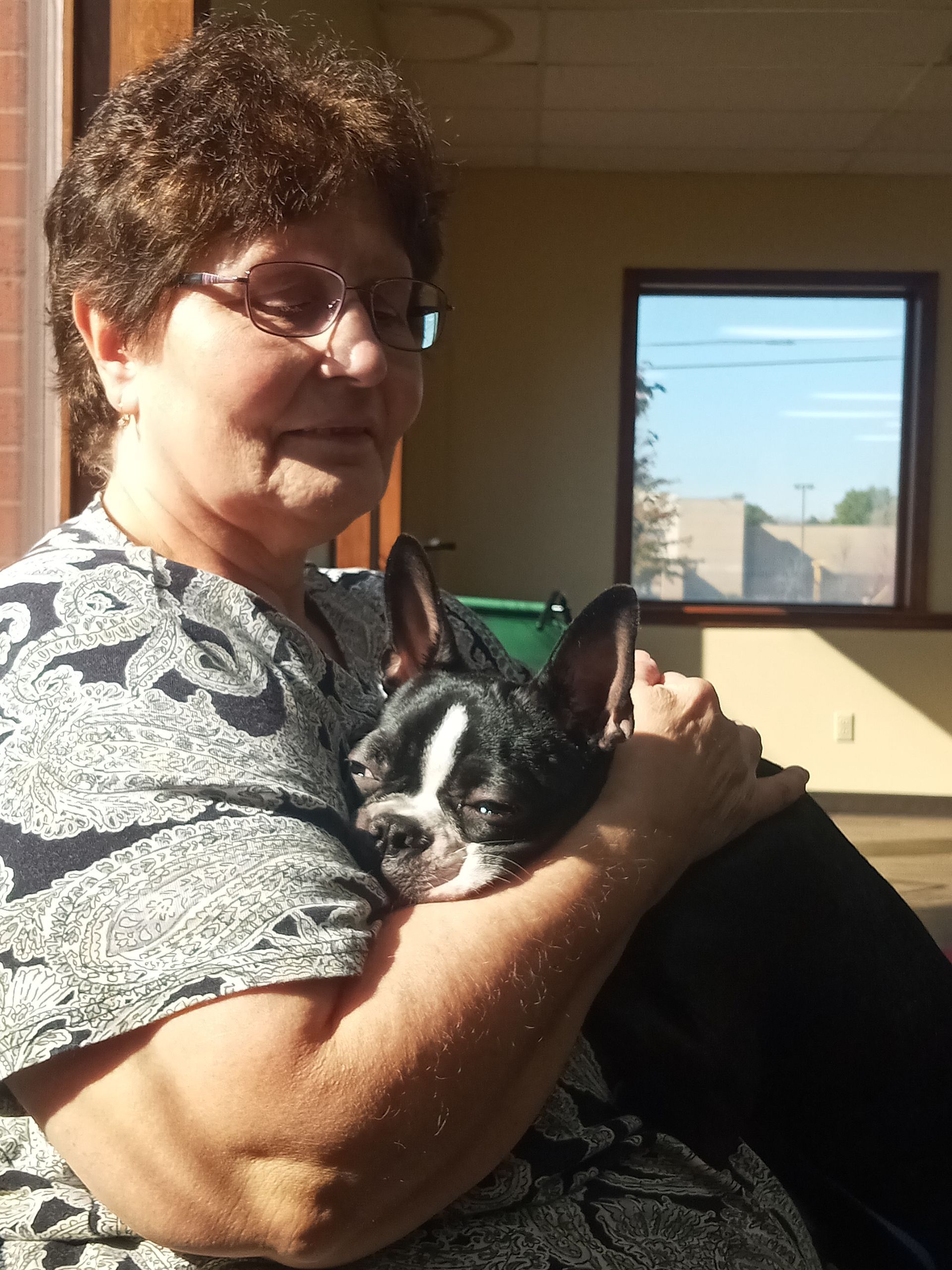
A service dog is a working partner trained to perform tasks that mitigate a person’s disability. Quality service dog training goes beyond obedience; it requires consistent, reliable task performance in diverse public environments and a strong partnership where the handler knows how to cue, maintain, and manage the dog and the dog can be trusted to perform in all situations.
Proper training ensures safety, functionality, and dignity for the handler while reducing the risk of behavioral failures that could put the handler at risk and might compromise public access.
Key Benefits of Our Service Dog Programs
Task-Specific Training
We train and proof tasks tailored to psychiatric or mobility needs, including retrieval, bracing, and grounding behaviors.
Public Access Preparedness
Exposure to real-world environments, distractions, and stressors to ensure calm, professional behavior.
Handler Education
Intensive coaching on cueing, equipment use, and legal/public-access rules.
Reliability & Safety
Systematic proofing to ensure consistent task execution under diverse conditions.
Ethical Methods
Force-free, reward-based training that maintains the dog’s well-being and motivation.
Who We Serve
Mobility impairment and psychiatric disabilities. We focus on practical task training and public access readiness.
Task Examples
Psychiatric Service Tasks
Grounding behaviors to interrupt panic or dissociation.
Interrupting repetitive or harmful behaviors.
Deep-pressure therapy (DPT) tasks.
Mobility Service Tasks
Balance and counter-balance for gait stabilization. Bracing for transition from sitting/lying to upright position and reverse.
Retrieve dropped items, assist with opening doors, bringing required equipment like canes, walkers, or a phone.
Tasked-based behaviors for dressing assistance.
Opening and closing cupboard and refrigerator doors . Pressing door open and elevator buttons.
Pulling wheelchairs (where appropriate),.
What to expect when you hire us
Intake & Needs Assessment
We begin with a detailed intake to understand the handler’s medical needs, typical environments, and functional tasks desired of the dog. Medical documentation and a clear statement by the handler of functional goals are required.
Task Shaping & Chaining
Your dog receives continual short sessions each day using reward-based methods. Sessions are structured to reinforce foundational behaviors and gradually introduce more complex behaviors and distractions.
Handler Training & Transition
We prioritize handler competence: clear cueing, reinforcement timing, equipment management, and problem-solving strategies. The handler practices until they are independent.

Handler-Driven Goals
Tasks are chosen based on the handler’s specific disabilities and needs. We collaborate closely with healthcare providers when appropriate to ensure tasks align with therapeutic goals.
Public Access Training
We expose dogs to public transit, medical settings, restaurants, and other public spaces to build calm reliability. Special attention is given to ADA public access legal standards.
Community & Legal Preparation
We coach handlers on the ADA (Americans with Disabilities Act), how to respond to questions from the public, and documentation practices for travel and housing situations.
Assessment and Matching
Temperament Evaluations
Assess suitability of your own dog for service work.
Please be aware that even dogs bred for service dog work have a more than a 70% failure rate.
Match Consultations
Guidance on breed, size, and lifestyle fit.
Puppy Selection
Support for selecting puppies with size, temperament and service dog potential.
Training Length and Commitmen
Service dog training is intensive and requires ongoing practice and maintenance. Program lengths vary depending on tasks, dog readiness, and handler consistency:
Service Ready
typically 12–16 months
The timeline is individualized; quality and reliability take precedence over speed.
Ethical Considerations and Welfare
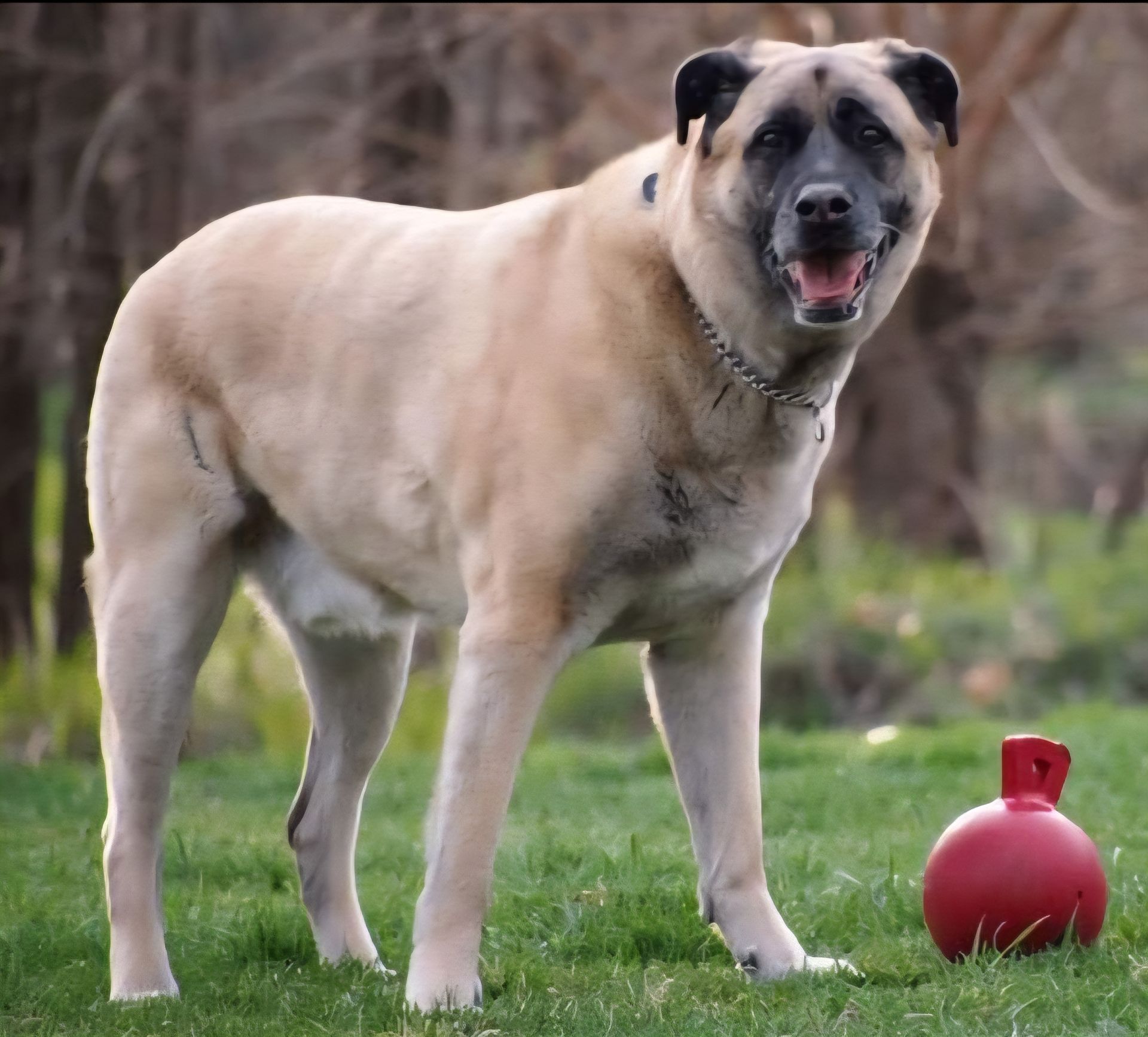
We prioritize the dog’s welfare and ensure work is balanced with rest and enrichment. Pictured is a 110 pound Anatolian Shepherd Dog mobility service dog. He is given regular rest breaks and down times.
Tasks are shaped to be within the dog’s physical capacity. We do not allow tasks that are unsuitable for a dog's size, age, or general health. We provide guidance on working hours and retirement planning.
Frequently Asked Questions (FAQs)
Q: Do you provide trained service dogs to people?
A: Yes. Most handlers prefer placement with a dog already either fully trained or at least partially trained; we evaluate each situation and offer matching and training accordingly.
Q: Are medical documents required?
A: Yes. We require official documentation of a disability and work with the handler to develop a functional description of tasks necessary for independence. This informs safe and effective task training.
Q: How do you ensure public access?
A: Through progressive, supervised public outings, reliability testing across environments, and handler education on ADA rights and appropriate responses to questions from businesses and the public. Finally, the team must pass the Public Access Test.
Q: What breeds are best for service work?
A: Breed suitability depends on the handler's physical state, required tasks, handler’s lifestyle, and the dog’s temperament. Common breeds include Golden Retrievers, Labradors, and carefully selected mixed breeds, but many other breeds such as Anatolian Shepherd Dogs and Doberman Pinschers can be excellent service dogs.
Q: Can small dogs be mobility service dogs?
A: No. For bracing and balance/counter-balance tasks, small dogs are never appropriate. Small breeds can excel at many psychiatric tasks.
Do you want to be able to live life with more independence? Consider being matched with a highly trained service dog. Joyful Dogs of Michigan will help you from matching you with a dog through the final phases of training for you and your partner. We will help with finding a dog of the right size, age, and temperament. Joyful Dogs of Michigan has decades of experience working with physically or emotionally challenged folks.
If you want more freedom to live your life with a partner who will be there for you
Call Joyful Dogs of Michigan at (517) 303-8580 Monday - Saturday - 10:00 a.m. - 7:00 p.m.
Sunday - 10:30 a.m. - 3:00 p.m.
email us at joyfuldogsmichigan@gmail.com
or use our handy form on the Contact page